
This post contains promotional/affiliate links.
Thinking about catching a J.League match while you’re in Japan? This guide is for visitors who don’t read Japanese and want to know what actually happens between deciding to go and finding your seat.
- How to get a ticket, including English-language options
- What the different seat categories actually mean
- What match day looks like before kickoff
- The supporter culture inside the stadium, and a few etiquette notes
This is based on first-hand experience attending J1 and J2 matches at stadiums across Japan — not a translated press release, so where something varies by club or has changed, we’ve flagged it rather than guessed.
Getting a Ticket
J.League ticketing is run by each club individually, so the exact process depends on who you’re going to see — but a few options work for most visitors.
Official English Ticket Pages
Ticket Pia runs a shared English-language “J.League English Ticket” portal that lists participating clubs and accepts international credit cards. A handful of clubs, including Kawasaki Frontale, sell directly through their own official site instead of Ticket Pia. Not every club has an English option, so it’s worth checking the specific club’s official ticket page before assuming one exists.
English-Friendly Ticket and Tour Services
Klook also lists J.League match tickets directly in English, with international payment support — for example, a Yokohama F. Marinos ticket at Nissan Stadium, though which clubs are on sale changes over time. If you’d rather not navigate a club’s ticket page at all, there’s also a
guided match experience with a local host, ticket included, if you want the atmosphere without the logistics.
Buying at the Gate (Same-Day)
General admission gates typically open about two hours before kickoff, and day-of tickets are usually available for ordinary league matches. Derbies, title-deciding matches, and games against the biggest-drawing clubs can sell out in advance, so same-day box office isn’t a safe plan for those.
For a fuller walkthrough of these options, including which matches tend to sell out first and a step-by-step booking guide, see our separate guide to buying J.League tickets.
Where to Sit
Seat categories vary slightly by stadium, but most J.League grounds split into three broad types.
| Seat type | Good for | Trade-off |
| Main stand (reserved) | A seated, straight-on view of the pitch, usually roofed | The highest price at most stadiums |
| Behind-goal (reserved) | A closer, cheaper alternative that’s still an assigned seat | Sits right above or beside the supporter end, so it’s loud |
| General admission (supporter end) | The cheapest tickets and the center of the chanting, drums, and flags | Standing for the full match; not an assigned seat |
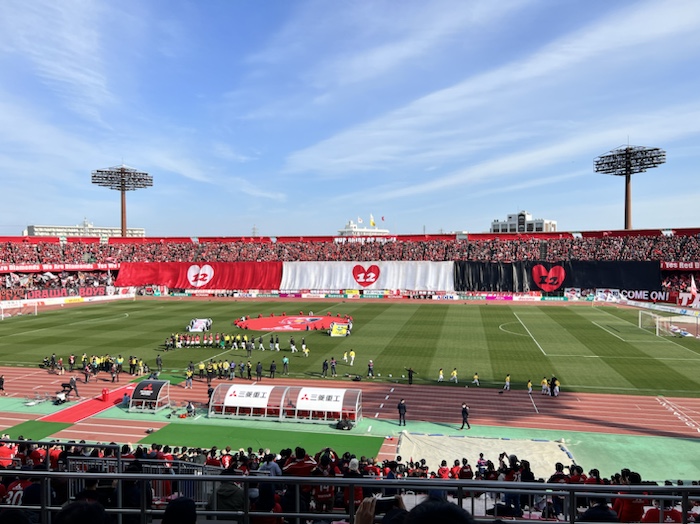
If you want a seat and a clear sightline, go main stand or behind-goal reserved. If you want to stand in the middle of the noise for ninety minutes, that’s what the general admission supporter end is for.
Arriving Early: What Happens Before Kickoff
Gates generally open about two hours before the match, and that time is worth using. Club mascots often appear outside the stadium for photos, food stalls sell everything from yakisoba to the club’s own branded snacks, and the official club shop is usually your best chance to pick up merchandise you won’t find anywhere else.
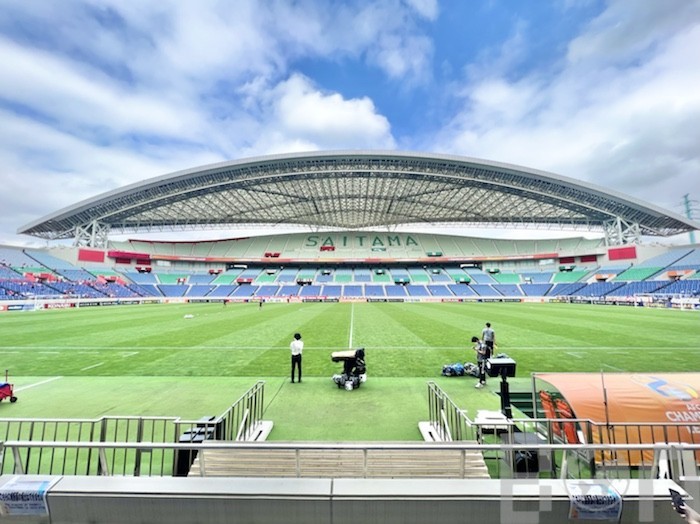
Getting there early also means you can walk the concourse and see the stadium itself before it fills up — several J.League grounds were purpose-built for football and are worth a look on their own.
Inside the Stadium: The Supporter Culture
The atmosphere at a J.League match is organized. Official supporter groups lead the chanting, drums, and flag displays from the general admission end, and the songs are rehearsed and specific to each club — you’ll pick up the rhythm even if you don’t know the words.
Curious what the songs actually say? Our Japanese Football Chants 101 guide explains how team and player chants work, with real examples and what the words mean.
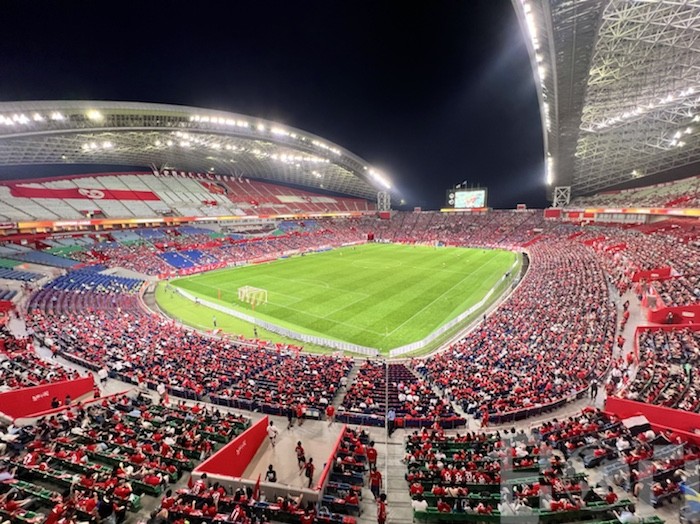
A Few Etiquette Notes for First-Timers
- Drums and instruments are reserved for the official supporter groups — don’t bring your own into the general admission end
- Large flags and banners need staff approval and a designated spot; you can’t just unfurl one
- Standing to cheer is expected in general admission, but the reserved stands are seated — check which section you’re in
- Visiting-team gear stays in the visitor section; wearing it elsewhere isn’t well received
- Chanting is a stadium thing — it stops at the gates, win or lose
Clubs like FC Tokyo publish an English spectator manners page on their official site, and it’s worth a quick read if you’re headed to a specific stadium — the details differ slightly ground to ground.
If Your Trip Doesn’t Line Up with a Match
Fixtures don’t always cooperate with a travel schedule, especially around international breaks. If there’s no match on your dates, a couple of dedicated football museums fill the gap: the Japan Football Association museum tour at blue-ing! in Tokyo covers the national team and J.League history, and the
Hiroshima Soccer Museum covers similar ground with a regional focus. Either makes a solid half-day if the fixture list doesn’t cooperate.
Practical Notes for International Visitors
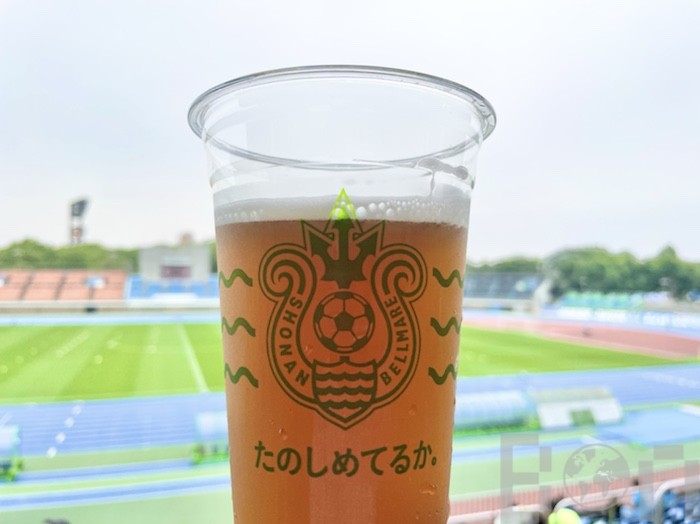
- Cashless payment (IC cards, credit cards) is common at concession stands in most J1 stadiums, but smaller grounds can still be cash-only at some stalls — carry some yen as a backup
- Stadium Wi-Fi coverage is inconsistent from ground to ground; your own SIM or eSIM data is more reliable than counting on the venue
- Most clubs sell food and drink until fairly late in the match, so there’s no need to rush before kickoff if the lines are long
Staying Connected in Japan
Stadium Wi-Fi is patchy and e-tickets live on your phone. Airalo sells prepaid data eSIMs you install before you fly and activate on arrival — no SIM swap, no pickup counter. Data only, so it will not give you a Japanese phone number.
Summary
- Check the specific club’s English ticket page first; if it doesn’t have one, a guided service or same-day box office covers most ordinary matches
- Reserved seats get you a clear view; the general admission supporter end gets you the chants, drums, and flags
- The supporter culture is organized and rule-bound, not chaotic — a quick read of the club’s manners page removes most of the guesswork
If baseball is more your speed during the same trip, we’ve also put together a guide to buying NPB tickets and a rundown of NPB stadium seating — a lot of the same logic (reserved vs. supporter-end, buying early for popular games) carries over. And if you want to go deeper on the chants themselves once you know a club or two, that’s something we cover in more depth elsewhere on this site.