This post contains promotional/affiliate links.
What do you actually do when you arrive at one of the 88 temples of the Shikoku Pilgrimage? I asked myself the same thing before my first pilgrimage. I'm not religious, and I knew Buddhism mostly from funerals. I did the whole loop twice by bike, and by the end the routine at each temple felt natural. This article walks through it in order, from the gate to the stamp office, and explains the customs you'll meet between the temples.
- The steps at each temple, in order, and which ones you can simplify
- How to read the sutras when you don't know them by heart
- The stamp office: what you receive and what to do when no one is there
- Name slips, osettai gifts, and the words locals use about the pilgrimage
The Short Version
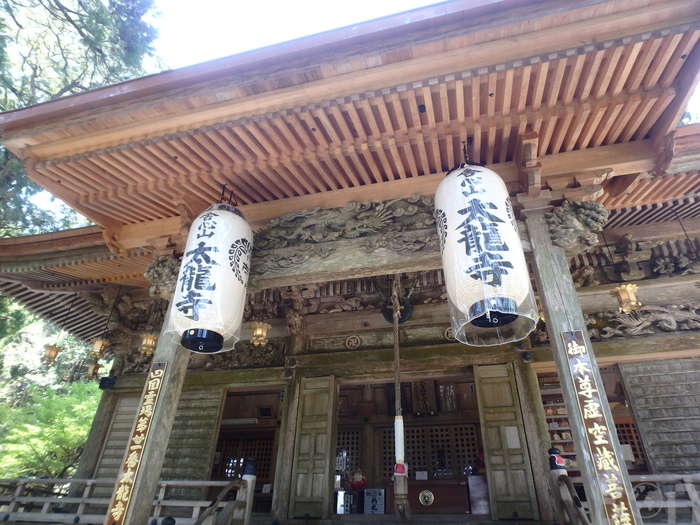
Every temple has the same basic layout, and signs point you to each building. The visit goes in this order:
- Bow at the gate
- Purify your hands and mouth at the water basin
- Ring the bell once, if the temple allows it
- Pray and read the sutras at the Main Hall (hondo)
- Do the same at the Daishi Hall (daishido)
- Collect your stamp at the stamp office (nokyosho)
- Bow at the gate on your way out
The full version takes time. Honestly, I think the attitude you bring matters more than doing every step perfectly. I started by copying the pilgrims around me and picked up the rest as I went. Starting with what you can manage is fine.
1. Bow at the Gate
Before you step through the main gate (sanmon), stop and bow. Inside the gate is sacred ground. Many gates have a pair of fierce guardian statues, the Nio. Bow to them too.
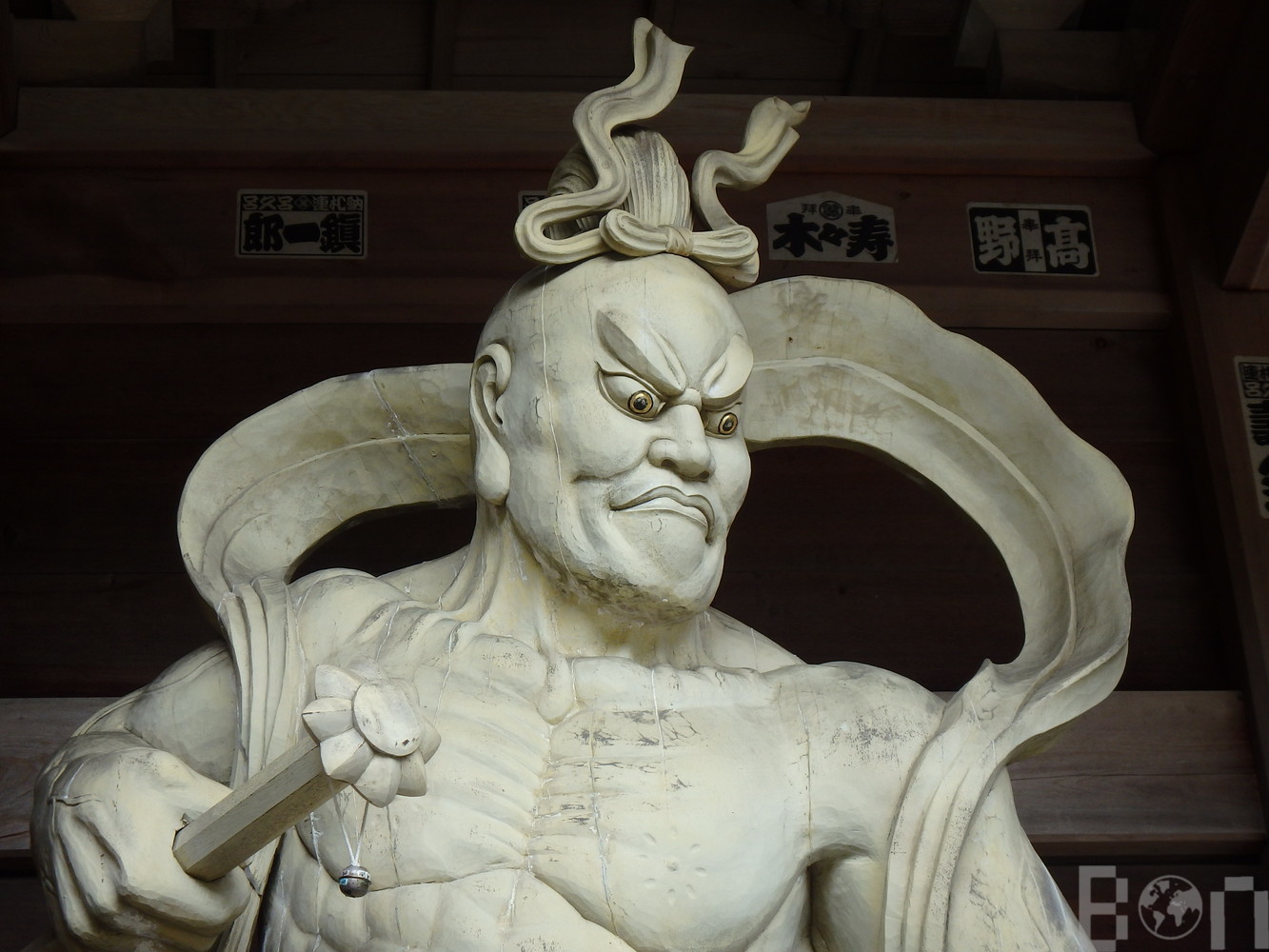
2. Purify Yourself at the Water Basin
Near the entrance is a covered water basin (temizuya). Use it before you go any further:
- Take the ladle in your right hand and pour water over your left hand.
- Switch hands and pour water over your right hand.
- Pour a little water into your left palm and rinse your mouth with it. Don't put the ladle to your lips.
- Tip the ladle upright so the last of the water runs down the handle, then put it back.
If you use prayer beads (juzu) or a stole (wagesa), put them on after this step.
3. Ring the Bell (If You Can)
The bell tells the temple that you have arrived to pray. The Shikoku 88 Temple Pilgrimage association recommends striking it once, before you pray. Don't ring it on your way out: a bell rung when leaving is associated with funerals. Hold the rope after the strike so the beam doesn't swing back and rattle against the bell.
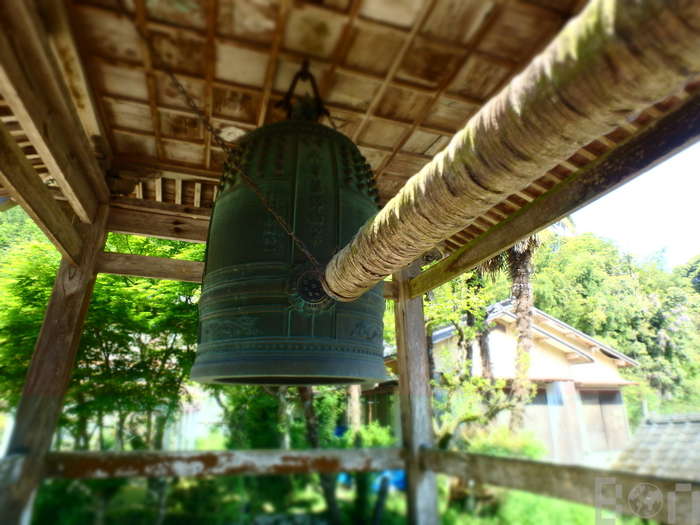
In practice, at most temples the bell is fixed so it can't be rung. If you find one you can ring, take the chance.
4. At the Main Hall
Each temple has two halls you visit. The Main Hall (hondo) enshrines the temple's principal Buddha, and the Daishi Hall enshrines Kobo Daishi, the monk at the heart of the pilgrimage. Start at the Main Hall:
- Light a candle and place it in the candle stand.
- Light incense and place it in the incense burner.
- Put one name slip (osamefuda) in the name slip box.
- Put a coin offering in the offering box. There's no set amount.
- Put your palms together, bow, and read the sutras.
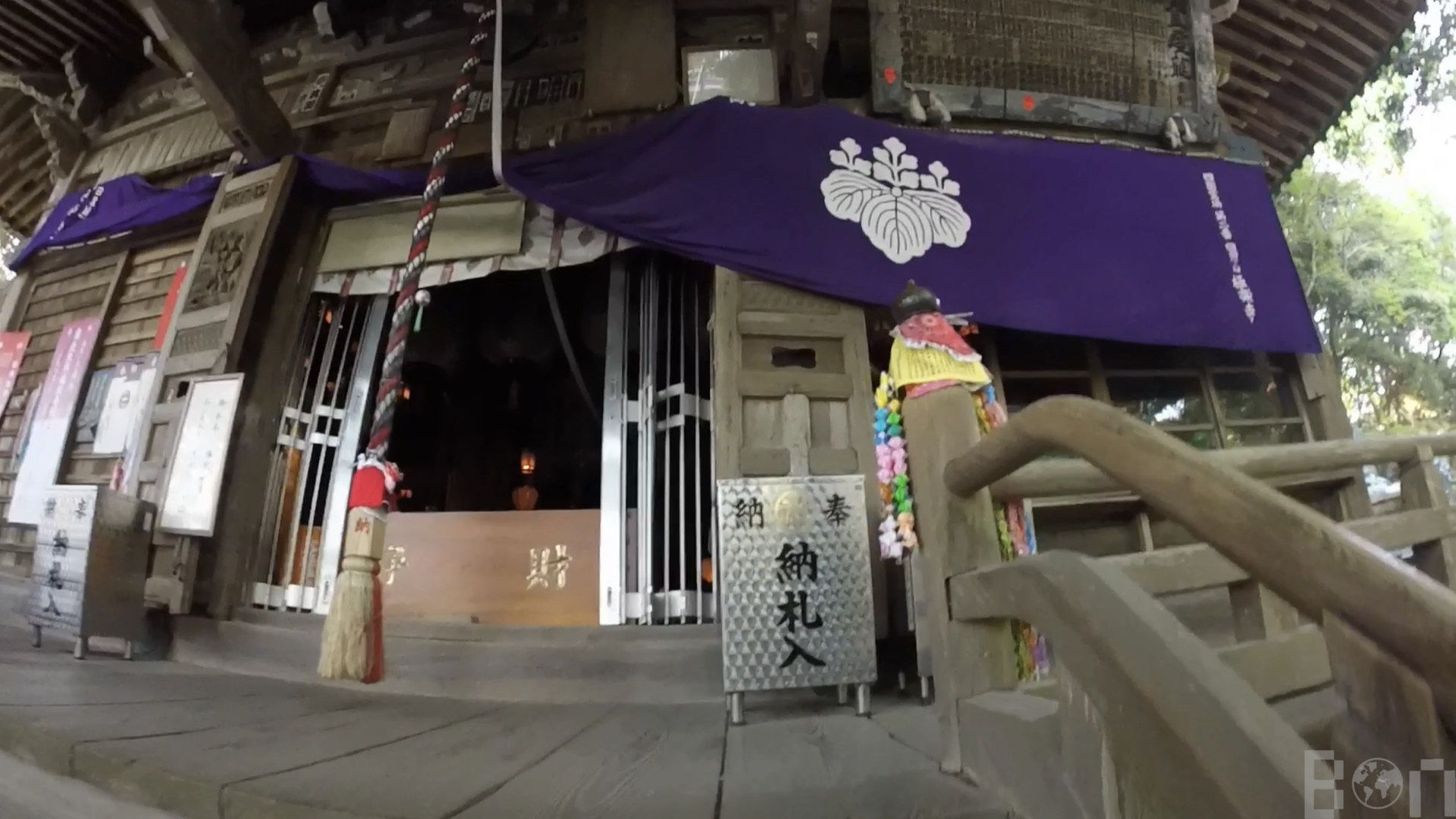
The name slip box looks the same at every temple, so you'll recognise it quickly. A couple of points the temple association asks for: place candles in the upper rows and incense near the centre, so there's room for the people after you, and don't bundle incense sticks together with tape.
Reading the Sutras
This is the step that makes you feel like a pilgrim. You read from a sutra book (kyohon) made for the Shikoku pilgrimage. You'll see experienced pilgrims chanting from memory, but reading from the book is considered the proper way even if you know the text, so don't worry about memorising anything.
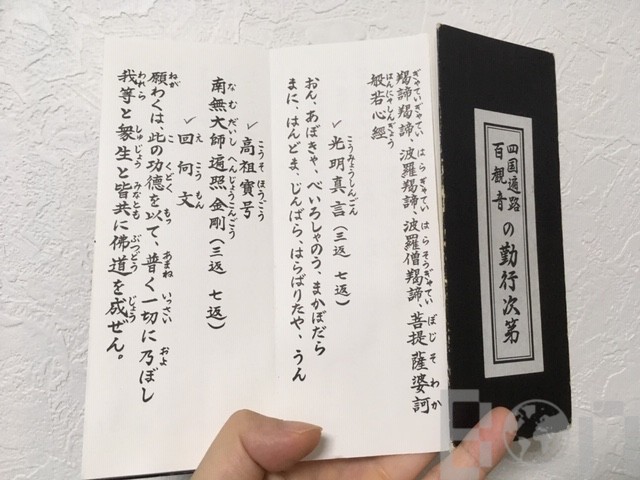
The recommended order begins like this. The number in brackets is how many times you repeat it:
- Palms together and a bow
- Kaikyo-ge, the verse for opening the sutra (1)
- Sange-mon, the verse of repentance (1)
- Sankie-mon, taking refuge in the Three Treasures (3)
- Jujukai, the ten precepts (3)
- Hotsu bodaishin shingon (3)
- Sanmayakai shingon (3)
- Hannya shingyo, the Heart Sutra (1)
- The mantra of the temple's principal Buddha (3), at the Main Hall only
A few closing chants follow, and your sutra book prints the full order, so you can simply follow it page by page. The association's reading method page lists it in English too.
My first reaction was that I would never remember it. It's classical Buddhist text, some parts repeat and some are only for one hall. Reading aloud with other people around also felt embarrassing at first, and I wasn't sure my pronunciation was right. But you read twice at every temple, and after a few days the rhythm stays with you. By then I'd stopped noticing who was around.
5. At the Daishi Hall
Next, go to the Daishi Hall (daishido) and repeat the same steps for Kobo Daishi: candle, incense, a second name slip, the offering, and the sutras. The only difference is that you leave out the mantra of the principal Buddha.
6. At the Stamp Office
For many pilgrims this is the best moment of each visit. At the stamp office (nokyosho), a staff member writes the temple's name in brush calligraphy in your stamp book (nokyo-cho) and adds the temple's red seals. The stamp is given as proof that you have prayed, so the usual order is to pray first and collect it afterwards.
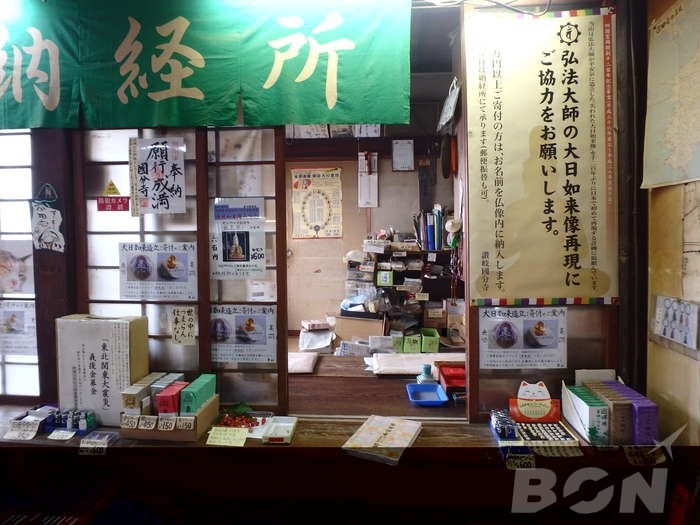
Two things to know before you go:
- Opening hours. The stamp offices have fixed hours, and arriving after closing means coming back the next day. Check the current hours on the temple association's site and plan your last temple of the day around them. If you arrive just before closing, you can explain and ask for the stamp first.
- Fees. There's a set fee for each stamp, paid in cash. The fee is different for a stamp book, a hanging scroll or a robe. Keep coins and small notes ready.
Early in the morning, or at mountain temples, the counter is often empty. Waiting quietly didn't bring anyone. Ring the call bell if there is one, or call out politely, and someone will come.
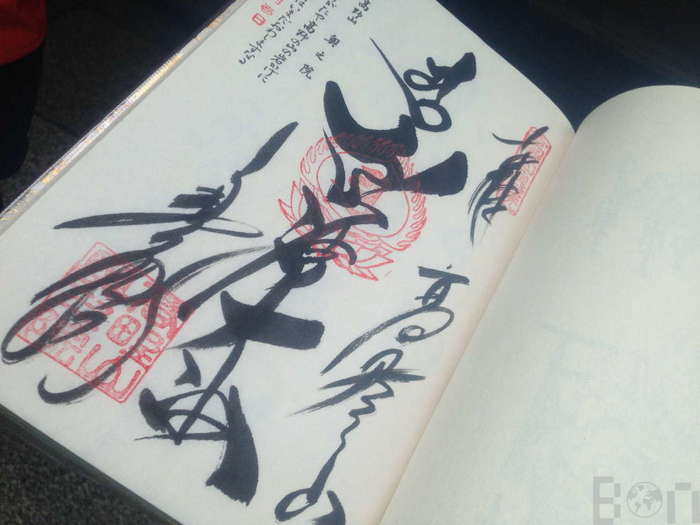
Along with the stamp you receive an osugata (also called omiei), a small paper image of the temple's principal Buddha. The plain white one comes free with the stamp. A colour version is available for an extra fee.
Choosing a Stamp Book
The stamp book is the record of your whole pilgrimage, and you'll hand it over 88 times. Three things matter:
- Ink that doesn't bleed through. Staff slip a sheet of newspaper between the pages, but heavy brushwork can still soak through. Look for thick paper or a double-layered page. I chose Tosa washi, a paper made in Shikoku.
- Size. Books come in a standard size and a compact one. The standard size is easier for the calligrapher to write in; I watched staff struggle with compact books. Choose standard if the stamps matter most to you, compact if you're carrying everything yourself.
- A design you like. It sounds minor, but you take it out at every temple for days, and I grew attached to mine. On hard days it felt like it was pushing me on.
Where to buy one, along with the other pilgrim items, is covered in my guide to the best season and what to wear.
7. Bow on the Way Out
With your stamp collected, the visit is complete. Turn and bow once more as you leave through the gate.
Name Slips (Osamefuda): Your Pilgrim's Calling Card
Name slips are small paper slips you leave at each temple, one at the Main Hall and one at the Daishi Hall. You fill them in before you leave:
- Front: the date, your address and your name
- Back: a wish or prayer
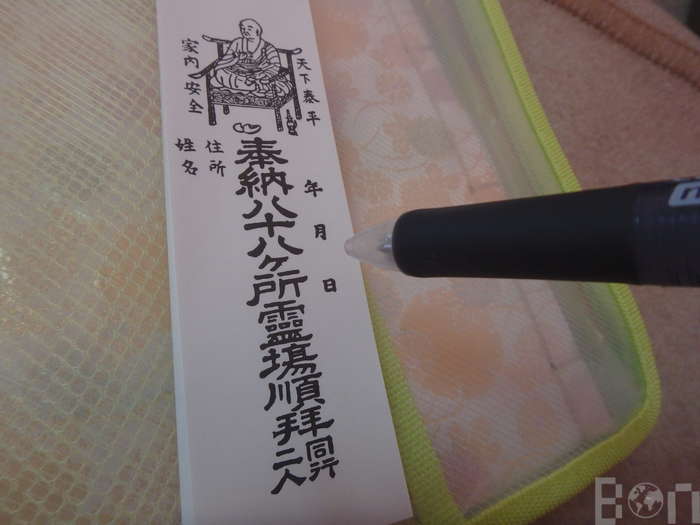
Over dinner at a temple lodging, a walking pilgrim told me that some pilgrims who wrote their full details had received letters from people they met, and stayed in touch. Even so, I didn't feel comfortable writing my address, so I left it out. Fill in what you're comfortable with.
The 88 temples take 176 slips, and you'll also hand them out as thanks for osettai (below), so prepare at least 200.
The Coloured Slips
Look into a name slip box and you'll see coloured slips among the white ones. The colour shows how many times that pilgrim has completed the circuit:
- White: 1 to 4 times
- Green: 5 to 7
- Red: 8 to 24
- Silver: 25 to 49
- Gold: 50 to 99
- Brocade: 100 or more
Brocade slips are rare, and they're said to bring good luck. If a pilgrim gives you one, keep it. But don't take coloured slips out of the boxes: the temple association asks pilgrims not to, because they were offered to the Buddha and Kobo Daishi.
Osettai: Gifts from the People of Shikoku
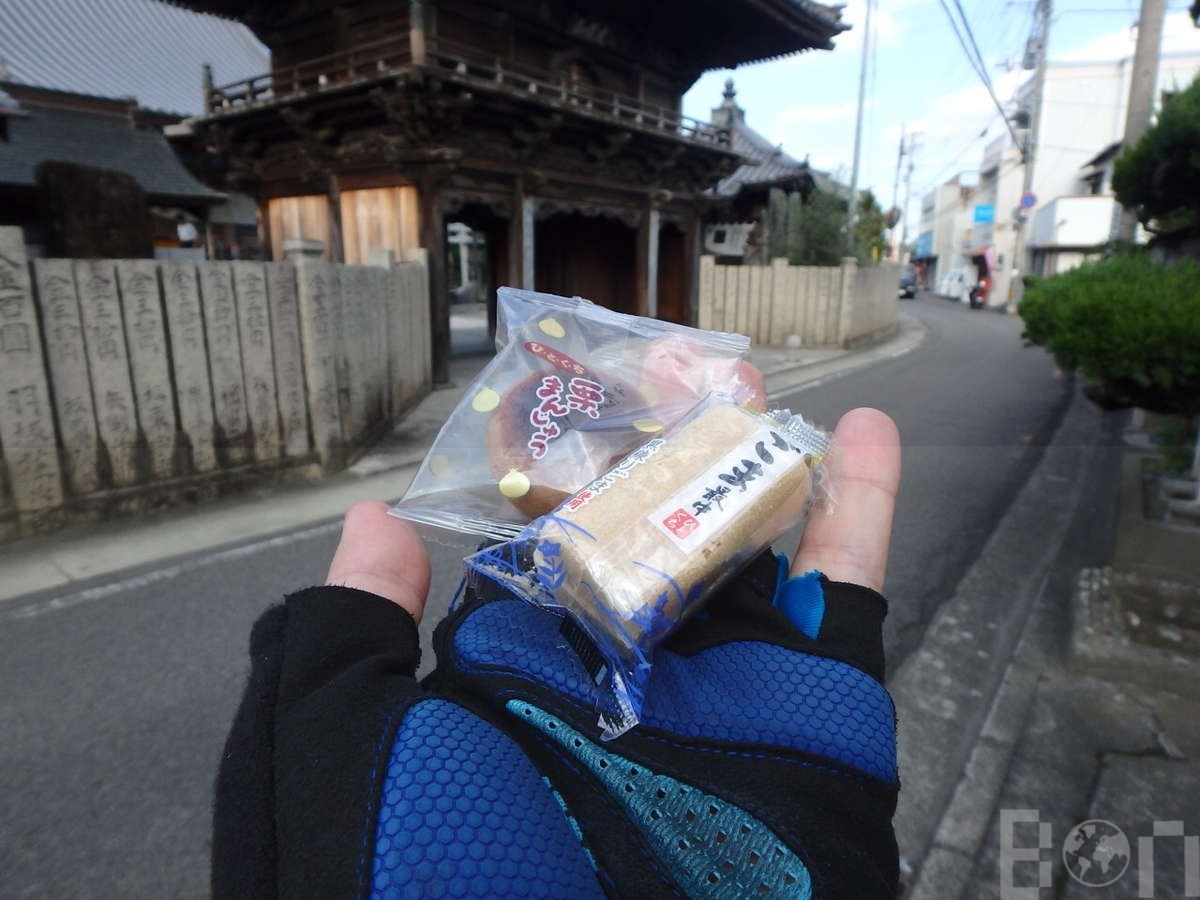
Osettai is the custom of local people giving something to pilgrims. In Shikoku, helping a pilgrim is believed to share in the merit of the pilgrimage, and the custom is part of everyday life along the route.
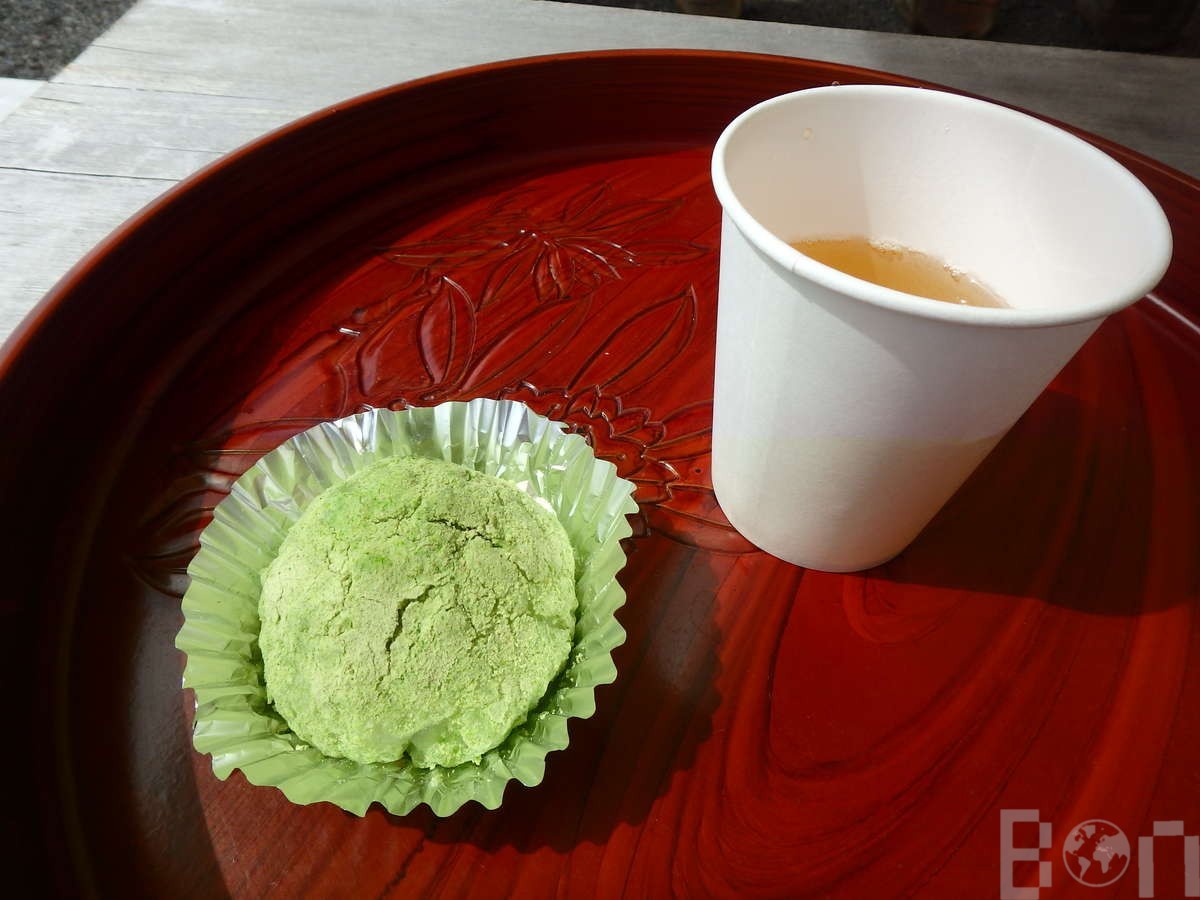
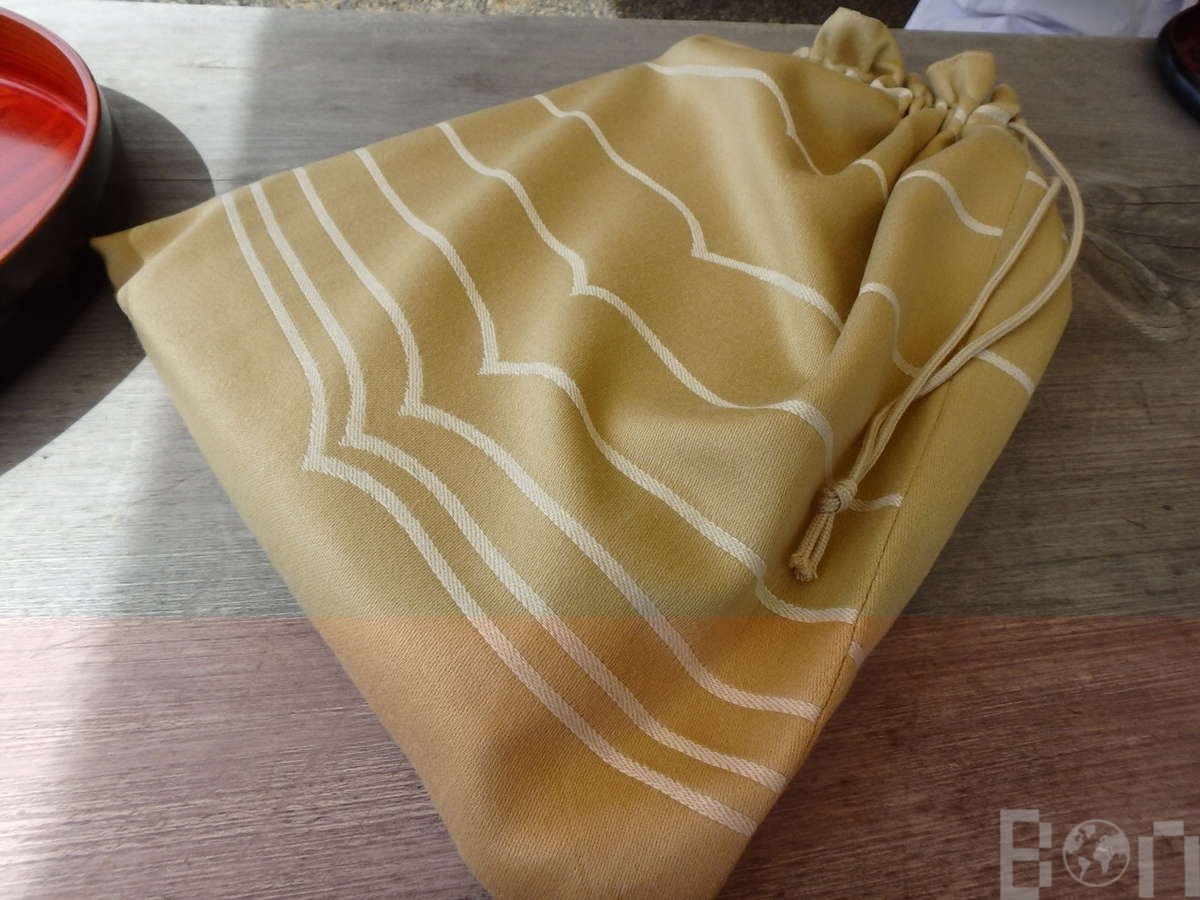
Before I went, I assumed it was an old story. I'm not religious, I was travelling alone, and after days on a bike I wasn't exactly well-groomed. In Tokyo, strangers don't stop to give you things. On the route, it happened again and again. People gave me:
- sweets and snacks, handed over at the roadside or at temples
- a meal
- a pouch for my stamp book
- pain-relief patches for sore muscles
- a repair to my bike
How to Respond
Accept with thanks, and give a name slip in return. That's the custom, and it's what people expect. Keep a few filled-in slips where you can reach them. The first time I received osettai, I didn't believe it really happened, so I had nothing ready. I made the person wait while I dug out a slip and filled it in on the spot, and I still feel bad about it.
For me, osettai is what sets this pilgrimage apart from other trips. Shikoku has beautiful scenery and plenty to see, but the kindness of the people along the route is what made it special.
Words You'll Hear on the Route
On my first pilgrimage I often couldn't follow what locals and other pilgrims were saying. These are the words that came up most:
- Kobo Daishi (Kukai): the monk the pilgrimage is built around. Born in what is now Kagawa, he studied esoteric Buddhism in Tang China and is said to have reached enlightenment at Cape Muroto in Kochi. Many of the 88 temples are linked to him.
- Dogyo ninin: "two travelling together." Even if you're alone, Kobo Daishi is said to walk with you.
- Namu Daishi Henjo Kongo: a chant meaning "I take refuge in Kobo Daishi." It's often printed on the back of the white robe.
- Fudasho: a pilgrimage temple, literally a place where you leave your slip.
- Utsu: "to strike," used for visiting a temple. Name slips used to be made of wood and nailed to the temple buildings, so you "strike" a temple.
- Jun-uchi: visiting in order from 1 to 88
- Gyaku-uchi: visiting in reverse, from 88 to 1
- Toshi-uchi: all 88 in one trip
- Kugiri-uchi: in sections over several trips
- Kechigan: completing all 88 temples. Some people say mangan, which can also mean completing the circuit and then visiting Mount Koya.
- Henro korogashi: "where pilgrims tumble," a very steep slope or flight of steps on the route. I was tumbled more than once.
- Sendatsu: an experienced pilgrim certified by the temple association to guide others.
Using these words opened up a lot of conversations. "That was a real henro korogashi." "I'm doing toshi-uchi by bike." "You've done gyaku-uchi? That's impressive." When I didn't understand, people were happy to explain.
One more custom you may notice: pilgrims don't tap their walking staff on bridges. A legend says Kobo Daishi once spent a long night sleeping under a bridge, and pilgrims lift their staff so as not to disturb him.
Start Where You Can
The full routine takes time, and most pilgrims are short of time or money. Keep the respect, do what you can, and let the rest come with practice. After a few days, the steps become second nature.
If you're planning the trip, my guide to cycling the Shikoku pilgrimage covers the route and the hard climbs, and my guide to the best season and what to wear covers timing, clothing and pilgrim items. For official information about the temples, see the Shikoku 88 Temple Pilgrimage association's English site.